


And middle-aged people are more likely than younger ones to take prescription drugs, which can increase the severity of alcohol poisoning. Binge drinking is defined as drinking that brings blood alcohol concentration (BAC) to 0.08% or higher. The more you drink, especially in https://www.vertexwebsurf.com.np/what-is-the-fent-fold-or-fentanyl-lean/ a short period of time, the greater your risk of alcohol poisoning.

Common Overdose Drugs
The risks of alcohol poisoning are alcohol use disorder, combining alcohol with other drugs, or consuming alcohol on an empty stomach. People are at a high risk of alcohol poisoning if they consume 12 or more units of alcohol, especially in a short space of time. This is equivalent to just under 6 medium glasses of wine, or around 7 bottles of 5% beer. This article focuses on the medical aspects of alcohol poisoning, rather than other environmental dangers of alcohol abuse such as getting into fights, losing possessions, or having problems with the law.
- An alcohol overdose is a life-threatening condition caused by excessive ethanol in the bloodstream.
- The common signs of alcohol poisoning include confusion, vomiting, seizures, slow or irregular breathing, hypothermia, and unconsciousness.
- Several functions — including speech, balance, coordination, judgment, and reaction times — are significantly impaired.
- Even if someone does not have every symptom, it’s not too early to get help.
- Vomiting is an early symptom of alcohol overdose, serving as the body’s defense mechanism to expel excessive alcohol and prevent further absorption.
Are you covered for treatment?
And middle-aged individuals are more likely to also take prescription drugs while drinking, which can also contribute to alcohol poisoning. While drinking alcohol, your size, weight, and the amount consumed will play a vital role in the risk of alcohol overdose. No two people will be at the same blood alcohol concentration (BAC) even if both are similar in physique and amount of alcohol consumed. Excessive alcohol brings blood alcohol concentration to a higher level and poses serious risks, including impaired judgment, reduced coordination, and a heightened chance of alcohol poisoning.
When to Call 911: Do You Know the Signs of Alcohol Overdose?
If you choose to drink, it’s a good idea to drink responsibly and stick to the guidelines for moderating drinking that are mentioned above. As blood alcohol concentration (BAC) increases, so does the effect of alcohol—as well as the risk of harm. Even small increases in BAC can decrease motor coordination, make a person feel sick, and cloud judgment. This can increase an individual’s risk of being injured from falls or car crashes, experiencing acts of violence, and engaging in unprotected or unintended sex. When BAC reaches high levels, blackouts (gaps in memory), loss of consciousness (passing out), and death can occur. Using alcohol with opioid pain relievers, such as oxycodone and morphine, or illicit opioids, such as heroin, is also a very dangerous combination.
Pennsylvania Mental Health Disorders Statistics
Additionally, the metabolism of alcohol produces acetaldehyde, a toxic compound that contributes to feelings of malaise. From 2015 to 2019, alcohol-related deaths increased by 42.8% in New Jersey, according to the New Jersey Department of Human Services, Division of Mental Health and Addiction Services. In serious cases, it’s possible for the person to fall into a coma, which could lead to their death. Alcohol poisoning symptoms don’t just appear during or immediately after the drinking session; they can last for days or even weeks afterwards. But if a person drinks very quickly, they can get to this stage before long. This stage can be very dangerous and even fatal if a person chokes on their vomit or becomes critically injured.
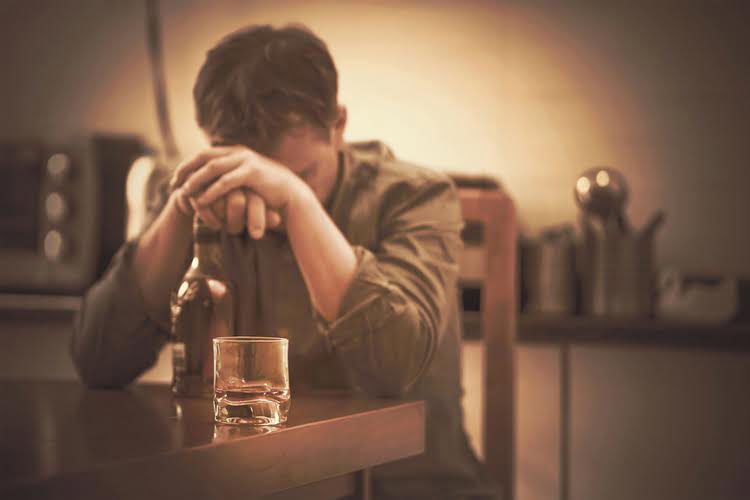
- Additionally, rapid drinking contributes to a range of health issues, including liver disease, cardiovascular problems, and increased risk of accidents and injuries.
- Recognizing the signs of alcohol poisoning and knowing how to respond can save a life.
- If they aren’t breathing or are showing other signs of a drug overdose, call 911 and provide as much information as possible to the operator.
- A blood alcohol concentration (BAC) of 0.40% or higher alcohol can kill you, as it leads to respiratory arrest, coma, or death.
- Research “Alcohol Toxicity and Withdrawal” By Gerald F. O’Malley, et al. 2022, indicates that individuals with high tolerance achieve BAC levels exceeding 0.4%, a concentration fatal to those with lower tolerance.
Alcohol overdose occurs when the blood alcohol concentration (BAC) reaches levels that suppress the brain’s control over critical life functions such as breathing, heart rate, and consciousness. This happens at a BAC of 0.30% or higher, though impairment begins at much lower levels depending on individual tolerance, body weight, and the rate of alcohol consumption. alcohol rehab Studies show that men and middle-aged individuals are at significant risk for alcohol poisoning.
Signs of Alcohol Poisoning (Alcohol Overdose)
- This behavior contributes to various health risks, including alcohol poisoning, liver disease, and an increased likelihood of accidents and injuries.
- Our writers include physicians, pharmacists, and registered nurses with firsthand clinical experience.
- Letting someone sleep it off is one of the biggest dangers of alcohol poisoning because they can stop breathing due to depressed respiratory functions or choke on their tongue or vomit.
- Studies show that men and middle-aged individuals are at significant risk for alcohol poisoning.
Stay sitting upright, preferably on the floor or ground, to prevent falls. To prevent choking, help your friend when they vomit by having them lean forward. If the person is unconscious, turn them on one side to prevent choking due to an absent gag reflex. While alcohol is one of the 5 most addictive drugs, you can fall prey to alcohol poisoning even the first day you drink if you do it to excess. Medications for alcohol poisoning are fomepizole, methanol, ethylene glycol, and benzodiazepine. They are primarily supportive and aim to manage symptoms while preventing complications.
How to Avoid Alcohol Poisoning?
Immediate medical care is essential to reduce the risk of fatal outcomes, with treatment proven to improve survival rates. The risk of alcohol poisoning increases with high alcohol intake, binge drinking, and mixing alcohol with other substances. The National Institute on Alcohol Abuse and Alcoholism (NIAAA) reports that 2,200 deaths occur annually due to alcohol alcohol overdose poisoning. As you keep drinking and your BAC increases, alcohol poisoning may occur.